Most Iconic Animal Mascots in Sports History and What They Represent
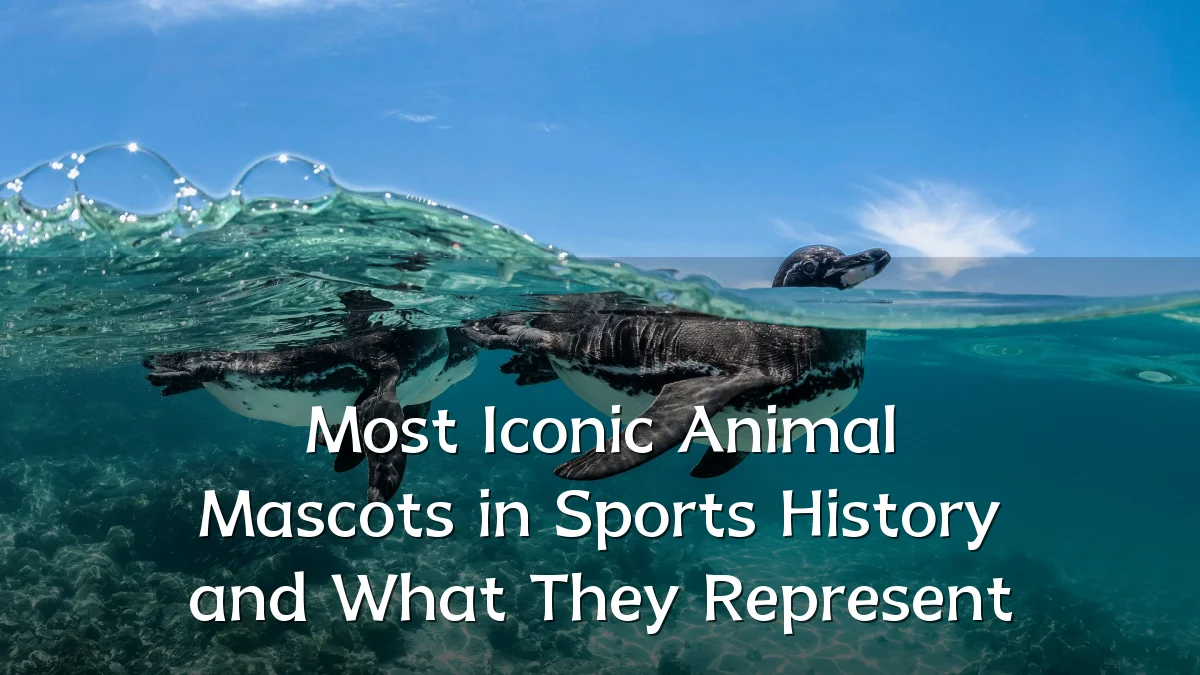
Animal mascots have long served as living symbols of team identity, regional pride, and competitive spirit. In recent years, these figures have evolved from simple sideline entertainers into complex brand ambassadors whose meaning is shaped by history, culture, and fan expectation.
Recent Trends in Mascot Design and Engagement
The role of animal mascots has expanded significantly over the past decade. Teams now use mascots across digital platforms, live events, and community outreach programs, making them central to fan experience strategies.

- Digital integration: Mascots appear in social media content, video game tie-ins, and augmented reality features during broadcasts.
- Updated aesthetics: Several franchises have modernized mascot designs to appear friendlier and more approachable while retaining core animal traits.
- Community presence: Mascots are increasingly used for charity events, school visits, and public health campaigns, extending their influence beyond game day.
Historical Background of Animal Mascots in Sports
Animal mascots have been part of organized sports since the late 19th century, when live animals were sometimes brought to games. Over time, costumed characters replaced live animals for practical and ethical reasons, yet the symbolic power of chosen animals remained strong.

Common symbolic associations include:
- Birds of prey (eagles, hawks, falcons): Represent vision, speed, and dominance from above.
- Big cats (lions, tigers, panthers): Convey strength, agility, and predatory instinct.
- Canines (wolves, dogs, foxes): Emphasize pack mentality, loyalty, and tenacity.
- Ursine figures (bears): Symbolize raw power, resilience, and protective instincts.
- Marine life (sharks, orcas, dolphins): Suggest relentless motion, intelligence, and adaptability.
User and Community Concerns Around Animal Mascots
Not all mascot representations have been received without controversy. Several concerns have emerged from fans and advocacy groups that teams must address transparently.
- Cultural appropriation: Some mascots that blend animal imagery with indigenous symbols have faced criticism for misrepresenting cultural heritage.
- Ethical treatment of live animals: A diminishing number of teams still use live animal mascots, raising questions about welfare and public safety.
- Outdated stereotypes: Older mascot designs sometimes rely on exaggerated traits that fans now view as reductive or exclusionary.
- Relevance to younger audiences: Generational shifts in values mean that some traditional mascot symbolism no longer resonates as intended.
Likely Impact on Branding and Fan Culture
The way teams manage their animal mascots directly affects merchandise sales, stadium atmosphere, and long-term fan loyalty. A well-executed mascot program can reinforce team identity across decades, while missteps can create lasting reputational damage.
Key areas of impact include:
- Merchandise revenue: Animal mascots routinely rank among top-selling licensed character categories, particularly when designs are updated to match contemporary tastes.
- In-stadium engagement: Mascots help maintain energy during breaks and timeouts, with measurable effects on crowd retention and concession spending.
- Youth recruitment: A friendly, recognizable mascot can be a decisive factor in attracting young fans and their families to a team.
- Global recognition: Animal symbols translate more readily across languages and cultures than human figures, aiding international brand growth.
What to Watch Next in Mascot Evolution
Several developments are likely to shape how animal mascots are created, managed, and perceived in the coming years. Observers should monitor the following areas for signs of broader change.
- Digital-only mascots: Some teams may introduce virtual mascots that exist primarily in gaming environments or social media rather than as physical costumed performers.
- Inclusive redesign processes: Fan advisory boards and community consultations are increasingly being used to review and refresh mascot concepts.
- Sustainability in costuming: There is growing interest in using eco-friendly materials for mascot costumes and reducing waste in their production cycles.
- Cross-sport collaborations: Animal mascots from different leagues may share storylines or appear together during major sporting events, expanding their narrative reach.
- Data-driven performance metrics: Teams are beginning to track mascot appearances against fan engagement data to quantify return on investment in programming.
Animal mascots remain one of the most durable elements of sports culture. Their meaning evolves as society changes, but their core function as symbols of collective identity continues to anchor fan communities across the globe.