Choosing the Right Animal Mascot for Your Corporate Brand Identity
Recent Trends in Corporate Animal Mascots
In the past few years, a growing number of professional service firms—from law practices to financial advisory groups—have adopted animal mascots in their branding. This shift moves away from the traditional corporate logo dominated by abstract shapes and monograms. Instead, companies are selecting animals that convey specific traits: the owl for wisdom, the lion for leadership, and the fox for cleverness. Social media campaigns and internal culture initiatives often feature these mascots, making them more than static logos—they become narrative tools.

Background: Why Animals Resonate in Professional Contexts
Animal symbolism has deep roots in human communication. In corporate branding, an animal mascot offers an immediate, universally understood shorthand for company values. For instance, a wolf can imply teamwork and loyalty, while a bee suggests industry and precision. Unlike human characters, animal mascots avoid potential cultural or gender biases, offering a neutral yet memorable identifier. Early adopters in the tech and energy sectors proved that mascots could maintain professionalism while adding approachability.
User Concerns When Selecting a Mascot
Decision-makers weigh several factors before committing to an animal mascot:
- Relevance to industry: A bear might symbolize strength for a construction firm but feel mismatched for a consultancy.
- Cultural perception: Animals carry different connotations globally. The same creature may represent luck in one region and aggression in another.
- Longevity: Will the mascot remain appropriate as the company grows or pivots its focus?
- Overuse risk: Stalwart symbols like eagles or horses are common; distinctive but less obvious choices (e.g., octopus for adaptability) can stand out.
- Visual adaptability: The mascot must work across media—print, video, merchandise, and digital avatars—without losing clarity.
Likely Impact on Brand Perception and Engagement
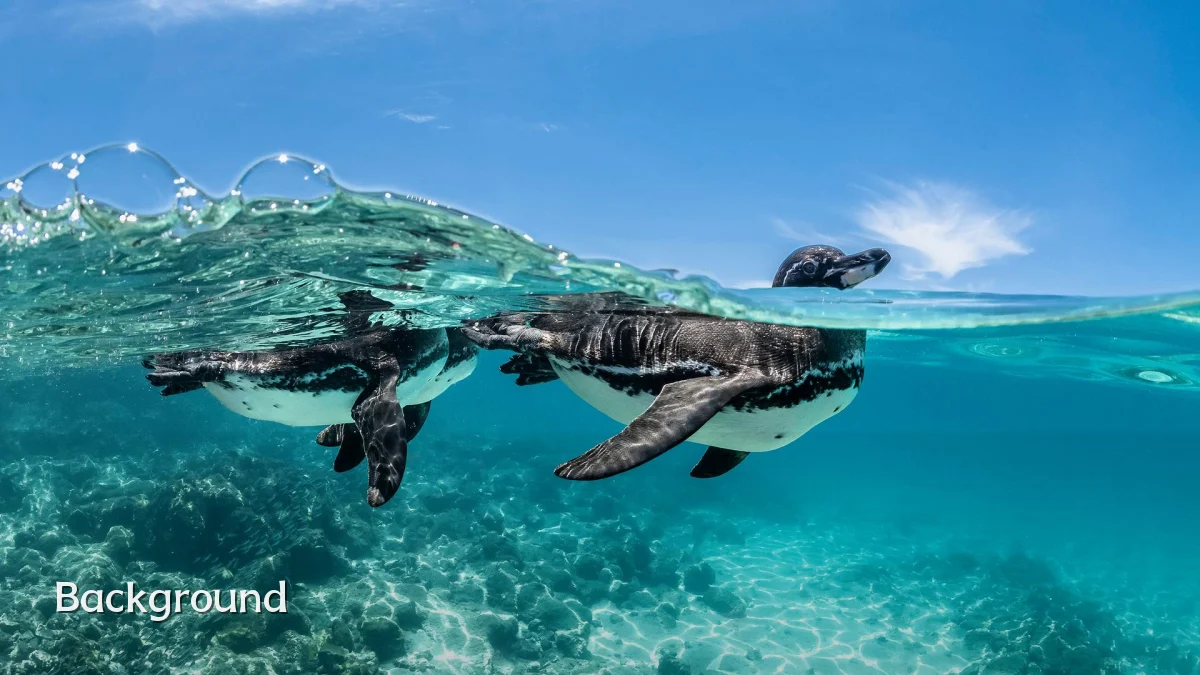
A well-chosen animal mascot can raise brand recall by providing a memorable visual anchor. Internal surveys in marketing circles suggest that professionals who encounter a mascot in B2B materials often describe the brand as more human and trustworthy. However, the impact diminishes if the mascot feels forced or unrelated to core services. When aligned with company values, the mascot can simplify complex messages—for example, a penguin (adaptation to harsh environments) used by a logistics firm to imply reliability under stress.
What to Watch Next
In the coming months, expect more companies to test animation and interactive mascot content, especially in virtual conferences and explainer videos. Sustainability-minded firms may favor animals emblematic of conservation (e.g., bumblebee for ecosystem health). Also watch for trademark disputes as popular species become crowded in certain industries. The trend will likely prompt agencies to develop frameworks for mapping animal traits to business objectives, moving the decision from instinct to strategy.